
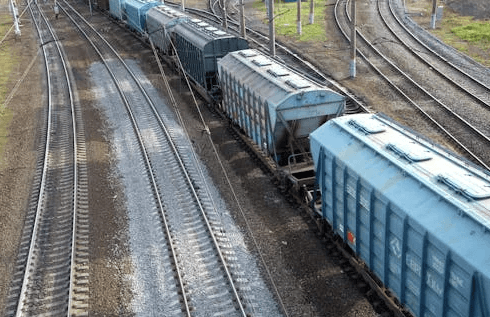

Cargo theft is the kind of conversation that ends quickly in a logistics meeting. Insurance carriers prefer not to dwell on it. Operators prefer not to admit how often it happens. And clients, frankly, prefer not to know. That silence has a cost. While everyone keeps their voice down, the criminals are getting better at it, and container tracking is one of the few honest defences left. Let’s break it down.
What the Numbers Actually Say
The latest joint report from BSI Consulting and TT Club paints an uncomfortable picture. Trucks alone accounted for around 70% of cargo theft incidents globally, and 22% of cases involved insider cooperation. Which is to say, every fifth incident had help from inside the supply chain. Your driver, your warehouseman, your dock supervisor. Probably not. Maybe not even close. But somebody’s, and that is exactly where container tracking earns its keep.
In the United States, truck cargo theft hit roughly $725 million last year, a rise of nearly 60% year on year. The UK lost $149 million to cargo theft in 2024, and a $9 million smartphone heist at Heathrow ranked among the highest-value incidents in 2025. These are not edge cases. They are weekly headlines if you read the trade press carefully enough.
Sea piracy climbed 85% in the first half of 2025, the highest level in nearly a decade. The Strait of Malacca and Singapore alone saw a 281% year-on-year jump. Rail freight theft in the US went from 4% of incidents to 10% in a single year, with organised criminal groups carrying out coordinated attacks on freight trains in rural Arizona and California.
This is not the slow, opportunistic crime most people picture when they hear “cargo theft.” It is planned, networked crime that has gone increasingly digital.
Where Containers Actually Disappear
Theft is not random. Patterns hold. If you have run sea or rail freight for a while, you know most of these by heart.
- Ports and yards, where dwell time stretches and security thins after hours.
- Unsecured truck parking, especially during driver rest periods on long-haul routes.
- Warehouse handoffs, where one party signs off and another picks up, are often hours apart.
- Rail sidings in low-traffic regions, where freight trains slow down or stop overnight.
- Border crossings, where customs delays create hours of unattended waiting.
Warehouses account for roughly 33% of all theft locations across recent reporting. That alone should change how seriously you treat yard time on the schedule.
The New Wave: Strategic Theft
Old-school container theft involved a fence, a forklift, and bolt cutters. The newer version is quieter and more sophisticated.
Strategic theft now accounts for around 18% of all incidents in the United States. Criminal groups have moved into impersonation, document forgery, and the use of artificial intelligence to alter bills of lading. Fictitious pickups are common. So is double brokering, where criminals hand a load to a fake carrier who then disappears with the freight.
You will not catch this kind of crime with a clipboard at the gate. The cargo is gone before anyone realises the paperwork was wrong.
See also: Digital Identity on Blockchain
What Container Tracking Actually Does
Container tracking does not stop theft on its own. Anyone selling that idea is overpromising. What good tracking does is make theft harder and far more expensive to pull off.
Anchor the tracker to the container, not the vehicle. Vehicle GPS dies the moment thieves detach the cab. A device on the cargo itself keeps reporting through every swap, transfer, and handoff.
Use shock, light, and orientation sensors. A door opening at the wrong location triggers an alert. A sudden tilt or impact registers as an event. The audit trail builds itself, in near real time, without anyone having to babysit the dashboard.
Set geofences at handoff points. The container leaves the port outside its window, you know, within minutes. It deviates from the planned route, you know. It sits in a yard for longer than the schedule allows; you know that, too.
Mind the deep ocean stretch. Cellular coverage drops at sea. A tracker with satellite fallback and a battery that runs for months keeps reporting through the longest legs. Cheap trackers go silent for days.
Use reusable hardware where possible. Disposable trackers add cost and waste. A device returned to a fulfilment centre between journeys, recharged and updated, keeps unit economics workable across a portfolio of shipments.
What You Actually Get
Quieter audits. Fewer awkward conversations with insurers. A paper trail is necessary when a counterparty wants to argue about who lost the seal. And, perhaps quietly most of all, a reduction in the kind of incident that ruins a procurement relationship that took years to build.
The theft problem is not going away. The criminals are getting more organised, not less. The honest move is to talk about it openly and put the right hardware between your container and the people working hard to take it.