Newsletter Subscribe
Enter your email address below and subscribe to our newsletter
Enter your email address below and subscribe to our newsletter

 ByJohn A
Modern businesses across Auckland face mounting pressure to safeguard daily operations, protect valuable assets, and maintain unbroken productivity each working week. Pest activity sits quietly among the threats capable of disrupting all above three areas at once. Smart operators now treat infestations as genuine commercial risks rather than minor housekeeping issues, shifting their approach toward planned prevention over reactive responses.
Proactive commercial pest control strengthens business continuity by shielding stock, equipment, and reputation from costly invasions long before they escalate into serious trouble. Rodents chew through wiring, cockroaches contaminate stored goods, and ants compromise hygiene-sensitive zones across many sites. Treating pest management as a risk-reduction strategy keeps Auckland operators ahead of disruptions that quietly erode profitability and brand trust.
Rising Operational Stakes: Auckland commercial sites operate on tight margins, where unplanned downtime costs far more than most owners pause to calculate properly. A single pest sighting can close a kitchen, halt a warehouse audit, or trigger a customer complaint that spreads across online review platforms within hours. Owners now factor these very real risks into broader planning conversations.
Hidden Damage Behind the Walls: Pests rarely announce themselves before harm begins to spread quietly through a property. Mice gnaw insulation around electrical cabling, while moisture-loving insects slowly weaken structural timber over many months without notice. By the time staff spot droppings or unusual sounds, repair bills already mount fast. Early biosecurity protocols catch issues while they remain genuinely manageable.
The True Cost of Reactive Thinking: Waiting until a problem becomes visible usually means paying twice over for the same issue. Once for emergency treatment, and once for damaged stock, lost trading hours, or unhappy customers who walk away unimpressed entirely. Operators who rely on reactive callouts almost always spend more annually than peers who invest in steady prevention from the start of each year.
See also: Ultimate Checklist for Students Looking for Reliable Homework Help This Semester
Pest Threats as Commercial Liabilities: Insurance assessors, health inspectors, and corporate auditors all view fresh pest evidence as an immediate red flag worth questioning carefully. Many service contracts now reference active prevention measures as a basic requirement for renewal each cycle. Businesses that ignore this shift expose themselves to claims disputes, failed inspections, and avoidable penalties caused by patchy monitoring routines across the year.
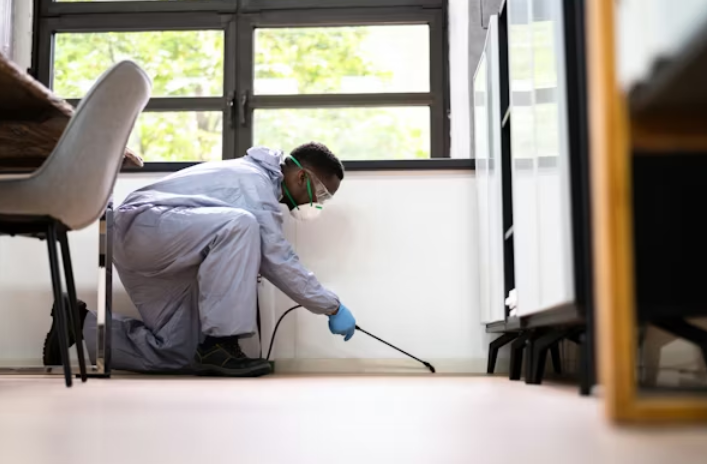
Structured Programmes Bring Order: A planned Integrated Pest Management approach blends inspection, monitoring, exclusion, and targeted treatment into one ongoing programme tailored carefully to the site. The method reduces reliance on heavy chemical use while addressing the root causes of recurring infestations across many sectors. Auckland businesses gain measurable results without disrupting daily trading, staff productivity, or sensitive customer-facing areas.
Documentation Strengthens Operator Confidence: Detailed service reports give owners visible proof of activity, treatment, and outcomes at each scheduled visit across the year. These records support compliance, insurance reviews, and internal reporting up the management chain when needed. When auditors arrive unannounced, having current documentation in hand turns a stressful moment into a routine conversation that ends quickly and smoothly.
Industry-Specific Weak Points: Each property type carries its own set of pest weak points, shaped by foot traffic, storage practices, building age, and waste handling routines on site. Knowing where threats most often appear helps operators direct limited resources toward the right preventive defences early in their planning cycle each year. The pattern repeats across Auckland’s varied commercial sector.
A Closer Look at Site Vulnerabilities: The list below outlines common entry points and harbourage spots seen across different sectors of Auckland’s commercial market today. Each setting carries its own mix of risks based on layout, trading hours, and goods stored on site. Reviewing this list carefully helps owners identify gaps that deserve closer attention in their current setup.
Monitoring Replaces Costly Guesswork: Scheduled inspections capture early signs of pest activity long before customers or staff notice anything wrong inside the building each week. Trained technicians track patterns, document evidence, and adjust treatment plans based on what each site reveals during routine visits each quarter. This data-led model turns pest control into a measurable part of overall risk reporting.
A Partnership Approach Pays Off: Building a working relationship with a qualified pest team gives businesses access to expert advice, fast response, and deep historical knowledge across many busy seasons. Operators receive practical recommendations for staff training, waste handling, and building upkeep that compound steadily over time. This partnership quietly becomes a powerful contributor to ongoing operational resilience and stability.
Commercial operators who treat pest activity as a strategic risk gain more than cleaner premises across their portfolio. They earn customer trust, audit confidence, and freedom from sudden operational shocks that derail trading targets without warning. Auckland businesses ready to strengthen this part of their risk framework should connect with a qualified pest team today for a tailored site assessment.